

/image%2F1034110%2F20221028%2Fob_0c2a43_thumbnail-13.jpeg)
The U.N. Lacks Moral Authority to Dictate Morale in Haiti
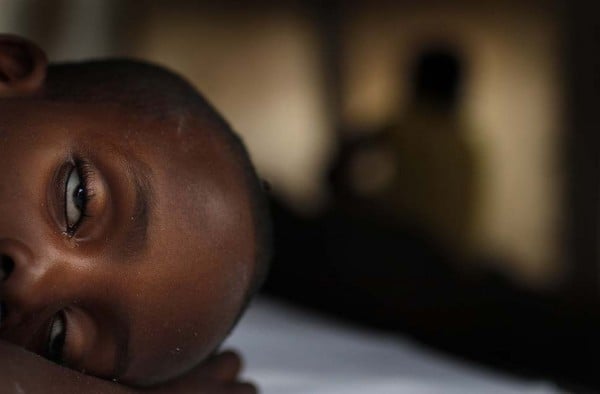
Photo: Latimes
Selon l'auteur de l'article, l'épidémie de choléra a causé la mort, en 4 ans,de 8300 personnes et rendu malades 650 000 autres. Une plainte exigeant des réparations a été déposée par devant la Cour fédérale de justice de Manhattan contre l'ONU par un groupe d'avocats représentant les victimes. Bien qu'une montagne de preuves montre la responsabilité de l'ONU, l'organisation internationale refuse d'avoir à rendre des comptes par rapport à ce désastre provoqué par des mains humaines. C'est le contingent népalais qui a versé ses selles et autres déchets dans la rivière Artibonite qui est à l'origine de cette maladie inconnue dans les Caraïbes depuis 1867. Non seulement, dit l'auteur, l'ONU nie ce qui a été scientifiquement prouvé mais, de plus, elle se trouve dans l'incapacité de présenter une étude scientifique qui viendrait réfuter celles qui mettent en évidence l'origine népalaise du choléra en Haïti. De plus, l'ONU évoque une clause d'immunité pour s'opposer à toute demande de réparations financières pour les victimes. Pour les avocats cette clause d'immunité ne peut jouer dans ce cas précis, où l'ONU a négligé ses obligations, d'abord de faire passer des tests aux soldats du Népal, un pays où le choléra est une maladie endémique, ensuite de ne pas avoir réagi immédiatement pour sauver des vies humaines en refusant de détecter le type de choléra et de prendre les mesures nécessaires afin de circonscrire l'épidémie. En utilisant l'immunité pour se dérober à ses responsabilités, l'ONU s'inscrit de plein pied dans une posture inhumaine et hors du champ de la morale et ne peut donc, par conséquent, prétendre agir pour une moralisation de la société haïtienne. C'était cela sa mission et la raison de sa présence en Haïti. Cette misssion dite humanitaire, en faisant preuve au contraire d'inhumanité, en refusant de prendre ses responsabilités dans l'apparition du choléra en Haïti et de faire justice aux morts et malades a non seulement failli à son objectif mais, mieux ecore, a agi et continue à agir hors des valeurs morales. D'où l'irrécevabilité de la clause d'immunité évoquée par Ban Ki -moon lequel, selon l'auteur, aurait téléphoné à M. Martelly en février 2013 pour lui dire que l'ONU n'offrirait aucune compensation pour les 5000 plaignants représentés par l'Institut Justice et Démocratie.
It is a volcano jumping between dormant and active stages and last month, it erupted again, spitting a litany of condemning editorials across global opinion pages that set ablaze United Nations’ inexcusable, uncompromising policy in Haiti, where the cholera epidemic, now entering its fourth year, killed more than 8,300 people and sickened another 650,000. An advocacy group representing the victims provoked the latest upsurge of Haiti’s cholera fiasco when it filed a lawsuit against the U.N. in a Manhattan Federal District Court, demanding reparations.
Although an Everest of evidence only indexed U.N. peacekeepers, particularly a Nepalese contingent caught dumping human waste into the Artibonite River near its base that numerous studies pinned at the origin of the outbreak, the global organization refused to accept responsibility for its man-made disaster. However, lead counsel Mario Joseph hopes this eruption will spew enough lava to overwhelm U.N. officials’ deniability and compel them to pay financial reparations to its victims.
The U.N.’s response to the lawsuit varied little from its persisting refrain; a confluence of circumstances, including the country’s dearth of clean water and good sanitation facilitated the spread of cholera. Beyond its dismissive, dehumanizing response however, the global entity failed to provide a shred of scientific evidence, challenging the slew of academic research that traced the cholera strain to Nepal that experienced an outbreak in the months preceding its peacekeepers’ deployment to Haiti.
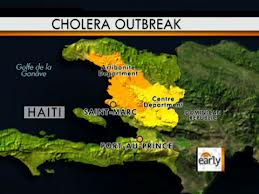
Photo- CBS News
Rather than taking necessary safety measures to protect hundreds of thousands of lives, the U.N. neglected to properly screen its troops, failed to maintain proper sanitation facilities, and take immediate, appropriate actions following the outbreak. It therefore carelessly allowed Haitians to become infected with cholera, unheard of in the Caribbean nation since 1867. Instead, organizational leaders hid behind the 1946 Convention of the Privileges and Immunities of the United Nations, claiming absolute immunity from prosecution, spitting on the graves and faces of its victims.
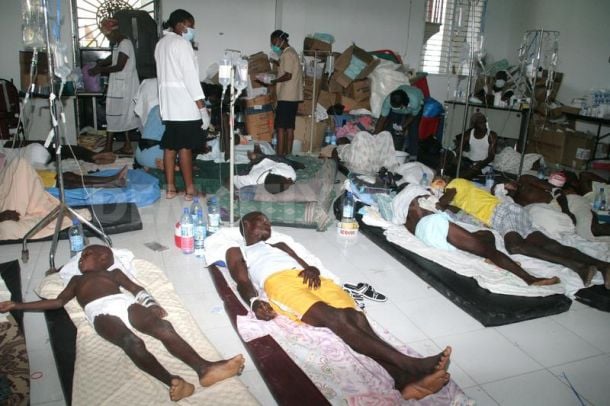
Photo: conservativefiringline.com
Asked about an official response to the lawsuit, “it is not the United Nations practice to discuss in public claims filed against the Organization,” answered a U.N. spokesperson. Yet, Secretary General Ban Ki-moon telephoned President Michel Martelly in February 2013 and told him that the U.N. would not compensate any of the 5,000 claimants the Institute for Justice and Democracy (IJDH) represented in a similar November 2011 lawsuit. As Joseph argued, “The United Nations can’t have humanity and impunity at the same time,” which was a pivotal conclusion researchers from Yale Law School reached last July, after examining the cholera debacle. The report noted the United Nations’ immunity clause does not confer absolute impunity, especially when the world organization blatantly violated its contractual obligations to Haiti and its responsibilities under international human rights law. In its signed-agreement with the Haitian government when it established a peacekeeping force there in 2004, the U.N. promised to create a commission to review claims related to complaints about its troops. Such a commission has never been established, noted the report.
U.N.’s degrading response to its victims’ public outcry constituted not only an attack on human dignity and decency, but also a violation of fundamental accountability principles that has govern society for millennia. As such, we must stop punishing poorly behaving children; intervene in countries where totalitarian regimes use chemical weapons on their own people; or, for that fact, administer justice to individuals that, through criminal negligence, allow others to die.
The Yale report correctly stated, the U.N. “risks losing its moral ground by refusing to comply with the very law it demands states and other international actors to respect,” and I could not agree more, especially when the rising tide of anti-Martelly demonstrations inhibiting the country could necessitate peacekeepers’ intervention. Granted, the United Nations played a pivotal role, helping save and/or improve lives in Haiti, particularly in the country’s post-quake struggles; nevertheless, human lives must supersede self-serving bureaucratic, political or policy maneuvers.
SOURCES :link


/image%2F1034110%2F20260919%2Fob_9f63f6_mail.jpeg)
/https%3A%2F%2Fi.ytimg.com%2Fvi%2FOZasDbtvMDc%2Fhqdefault.jpg)
/https%3A%2F%2Fi.ytimg.com%2Fvi%2FfIxW74h59tw%2Fhqdefault.jpg)
/https%3A%2F%2Fi.ytimg.com%2Fvi%2Fj9em8N1MRME%2Fhq2.jpg)
/image%2F1034110%2F20260924%2Fob_5b9be8_image-1034110-20181024-ob-75dcbb-serve.jpeg)
/https%3A%2F%2Fi.ytimg.com%2Fvi%2FODg2eKnl4Ys%2Fhqdefault.jpg)
/https%3A%2F%2Fi.ytimg.com%2Fvi%2FR66fhcoBdXs%2Fhqdefault.jpg)
/image%2F1034110%2F20260919%2Fob_9f63f6_mail.jpeg)
Commenter cet article